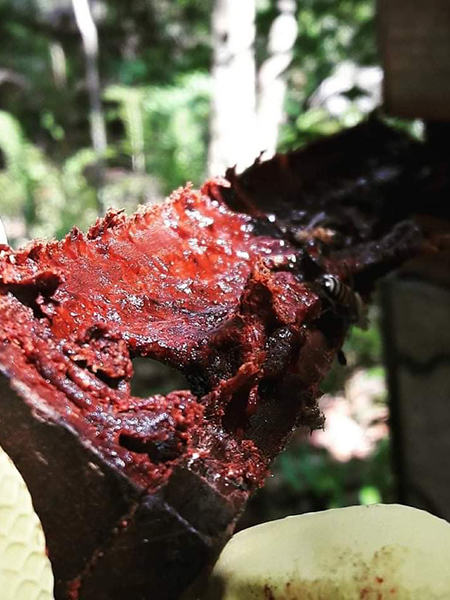
Red propolis 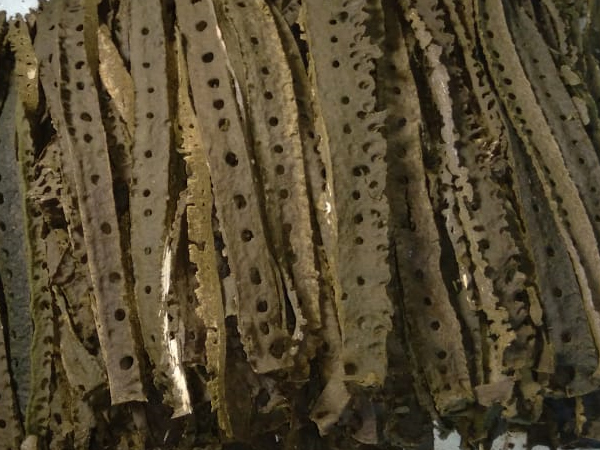
Green propolis 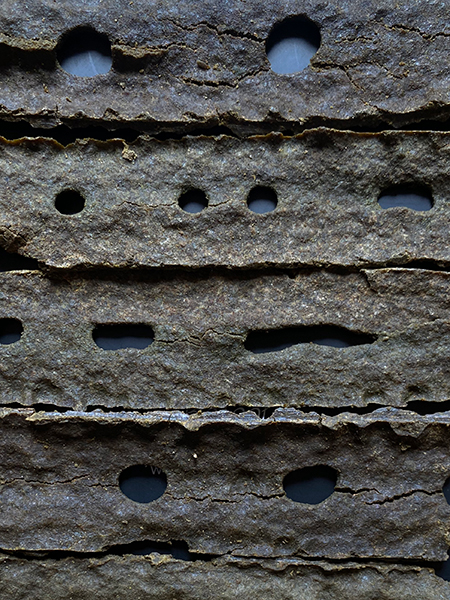
Green Propolis 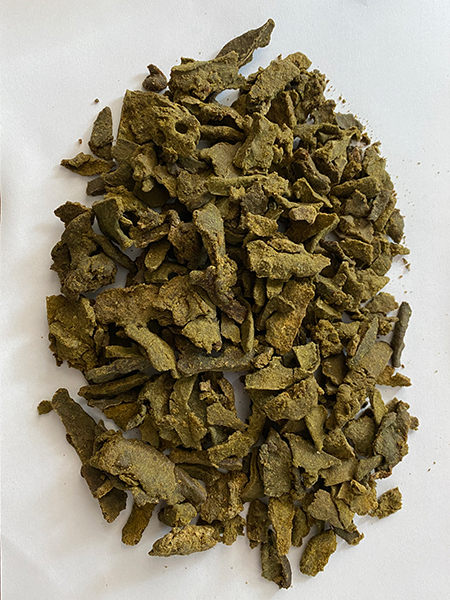
Green propolis 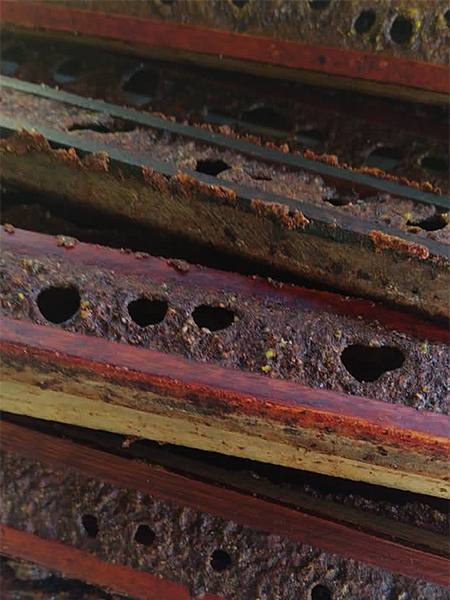
Red propolis
Propolis Perfection is producing two types of propolis extract to be sold: Brazilian Green Propolis Tincture, and Brazilian Red Propolis Tincture.
Both made with the finest Brazilian Propolis available, handpicked and selected from trusted producers acquired over the years, made in small scale, non-industrial artisanal small batches, to preserve the terroir of the collected propolis, and its natural healing properties.
Propolis, like wine, has to simmer for at least sixty days in a solution of 81% of the best grain alcohol available and 19% of mineral-free water, in dark sterile stainless steel vats, being gently shaken four times a day for a complete dissolution of its natural properties into the alcohol/water solution. We find that this is is best, less chemically processed method of extracting its benefits, since there is no handling and no manufacturing chemical procedures added in the process of making the extract.
It is just the best propolis, grain alcohol and water. That is it.
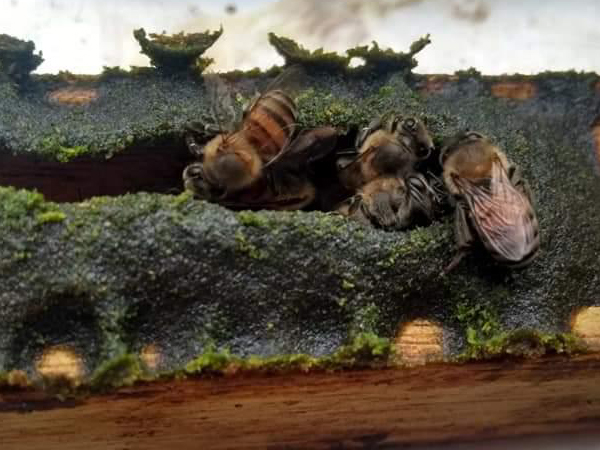
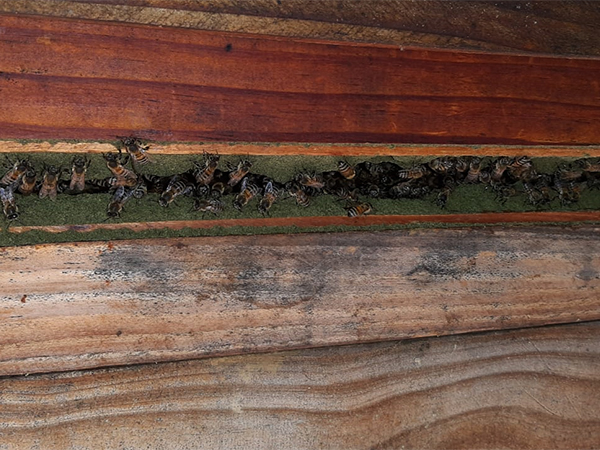
Propolis being produced 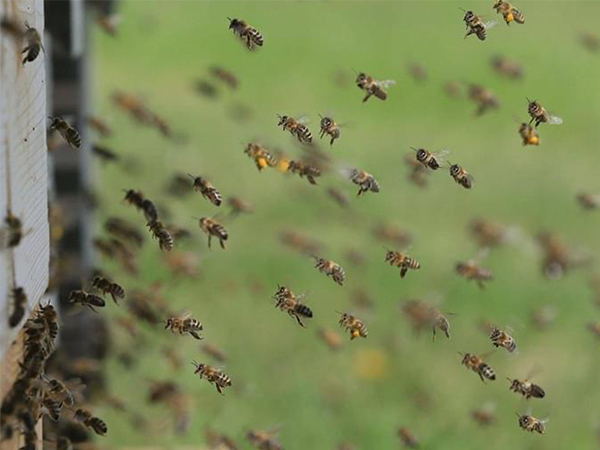
Back to the hive
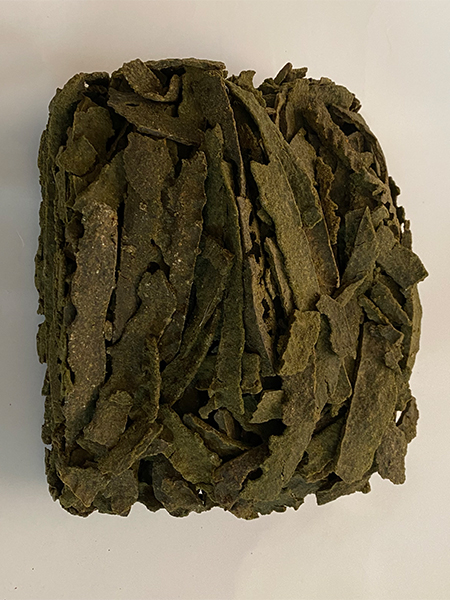
Green Propolis
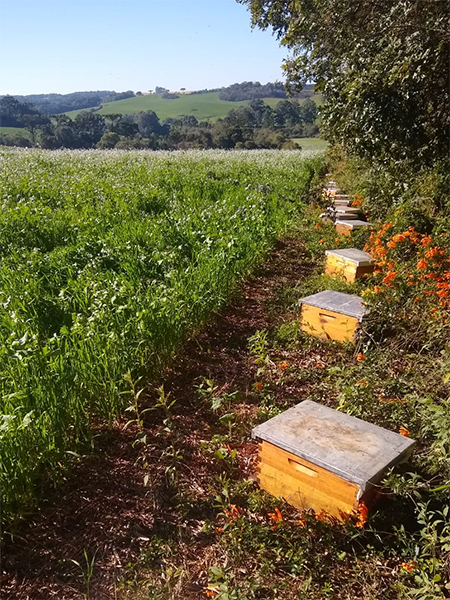
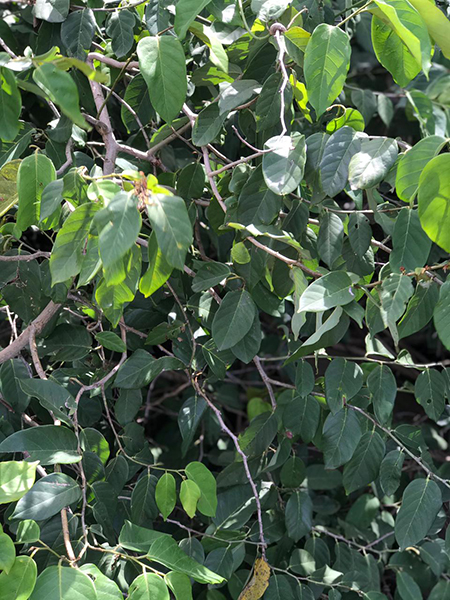
Baccharis Dracunculifolia
(Alecrim-do-Campo, ´Rosemary-of-the-Field´)
A weed plant better known by the name “rosemary-of-the-field”, It is a perennial plant that can reach up to 10ft in height and grows spontaneously in pasture areas (it is also considered an invasive plant) in the State of Minas Gerais, São Paulo and throughout central Brazil.
Baccharis dracunculifolia is the main botanical source used by honeybees to produce green propolis. Green propolis exhibits antioxidant and hepatoprotective activities. Metabolites with antioxidant action of Baccharis dracunculifolia are present in green propolis. It has high amounts of Artepillin C and other variations of cinnamic acid.
Its resin is collected and processed by bees, which produce the green propolis. The high amount of chlorophyll present gives the propolis its distinct green color, and it contains anti-inflammatory, antimicrobial, antioxidant and anti-tumor properties.
Red Propolis
Dalbergia Ecastophyllum
(Rabo-de-Bugio, `Howler Monkey´s Tail´)
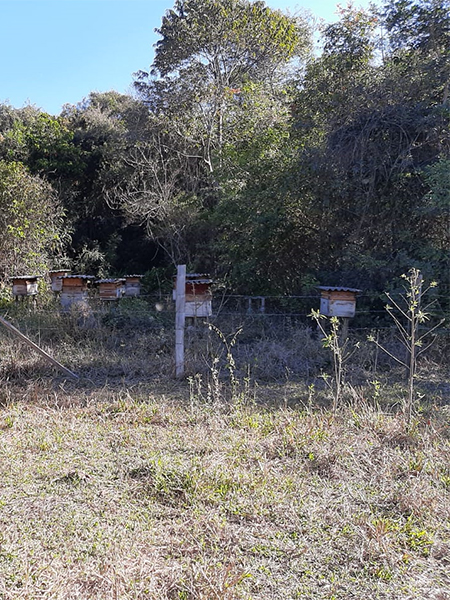
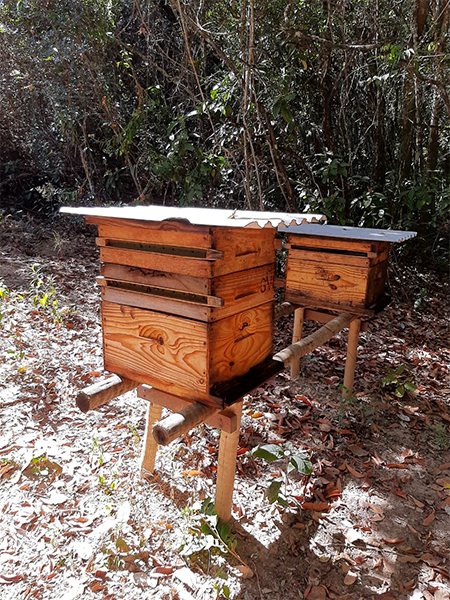
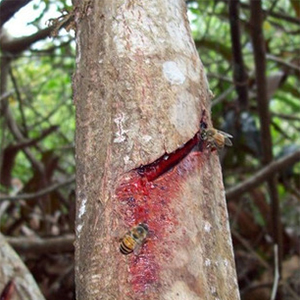
Dalbergia Ecastophyllum resin is the main ingredient that bees collect for producing the Red própolis. It is a type of Brazilian propolis found in the remnants of the Atlantic Forest, in few coastal preserved pockets.
It has na unique chemical structure, highly absorbed by the body. The propolis and plant resin showed high relative percentages of the isoflavonoids 3-Hydroxy-8,9-dimethoxypterocarpan and medicarpin.
Brazilian Red Propolis has the highest level of antioxidants when compared to all foods on the USDA Database for ORAC.
A stunning Total ORAC of 3,540 μmol TE. It offers the highest diversity of flavonoids among all existing types of world propolis. Key nutrients like pterocarpans, flavonones, isoflavones, chalcones, isoflavans, lignans and isoflavonols are all found in this product.
It is also a natural source of the chemical compounds Neo-Vestitol and Vestitol.
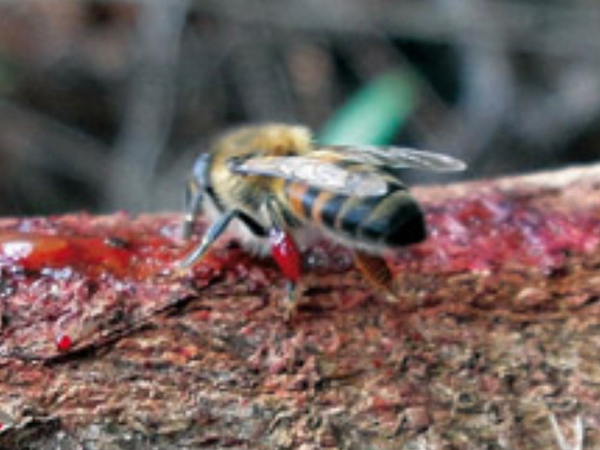
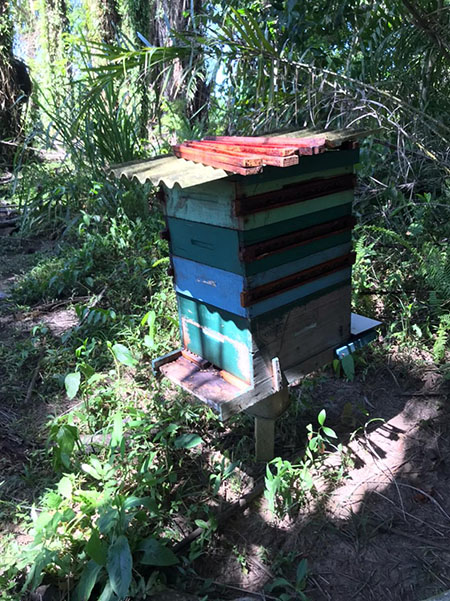
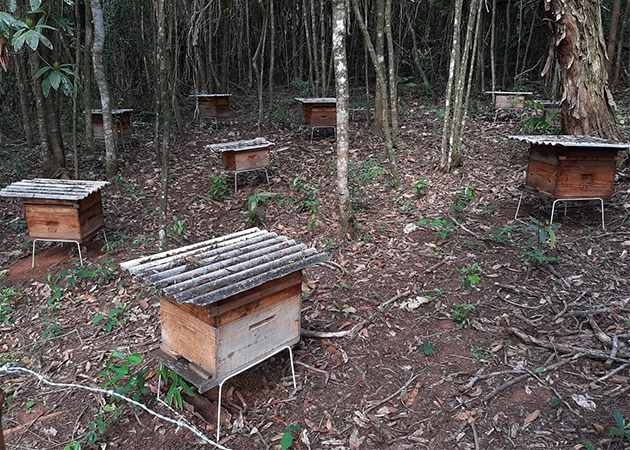
Red propolis hive transported deep in the woods 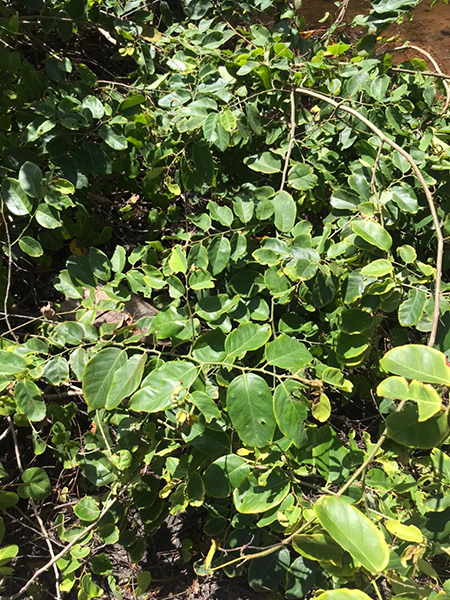
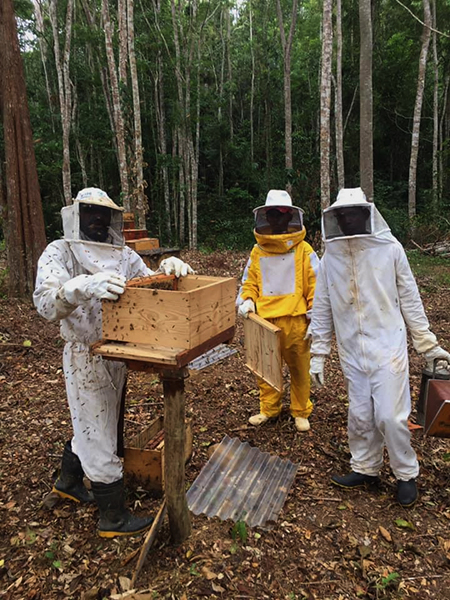
Sometimes they camp near the hives, waiting for production
Why Brazilian Propolis?
Brazil has the best propolis in the world. You may be wondering why.
Here we enumerate some of the reasons:
Brazil has one of the most diverse biodiversity in the world. Plentiful of natural resources all year around, with small winter periods. In some regions they call ´winter` the rain season, since temperatures there never drop below 20C. Therefore bees don´t hibernate, are well fed, and production goes all over the year.
The africanized bees, endemic in Brazil, produces a lot more propolis. European apis mellifera are constantly imported to update genetics, but are naturally mated with africanized drones, and thus generating africanized offsprings. In Africa bees move the hive a lot more, due to harsher climate and smaller feeding ground seasons, therefore they produce a lot more propolis naturally, since propolis is the ´cement´ bees use for building the hive. African bees are less prone to diseases, including varroa mite, needing minimum prophylactic actions from beekeepers. Also, propolis play a big role helping the bee colony healthy and the hive environment sterile.
Food all year around means that the bees are not fed with industrial bee food suplements, resulting in a better natural quality bee products. Since there is always flowers blossoming and sap being produced during the whole year, they thrive.
Propolis production is a billion dollar industry in Brazil, it is one of the biggest exporters in the world, with 95% of the production exported, mainly to Asia.

 Propolis Perfection - Bee and Propolis Products